Pet-Friendly New Homes in Dallas-Fort Worth: A 2026 Buyer and Seller Guide
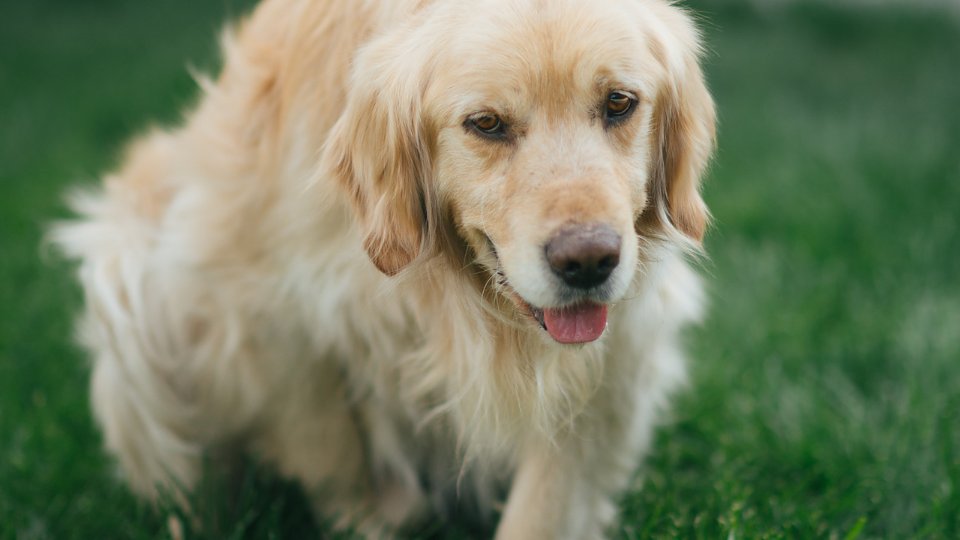
Photo: A golden retriever walking in a grassy backyard near a house, photographed April 13, 2023. This is an illustration of a pet-friendly yard, not a photo of a specific Dallas-Fort Worth listing or community. Photo by Shixart1985, via Wikimedia Commons, CC BY 2.0, cropped to fit.
A fenced backyard is only the start of a pet-friendly house. In Dallas-Fort Worth, the better question is whether the home, the builder's options, the HOA and the city rules will all work for the animal you already have, or the one you plan to bring home. This original OnDemand Realty guide was prompted by a 2024 NewHomeSource feature on pet-friendly options in new construction. It covers the features worth asking for, the questions to put to builders and HOAs, city licensing and pet limits, dog parks, and how to keep a dog or cat safer in a DFW summer.
Key Takeaways
- The most useful pet features are decided before drywall goes up. Durable flooring, a mudroom or pet-wash drain, a feeding nook, a direct backyard door and a fence plan are easier to get right during construction than after you move in.
- City rules change from one suburb to the next. Dallas uses mandatory microchipping and sets limits by housing type and lot size. Plano and Arlington require annual registration. Frisco's registration is voluntary, with a six-animal cap. McKinney requires a current rabies tag and limits a residence to four dogs and four cats.
- Texas law is the floor, not the ceiling. Dogs and cats must be vaccinated against rabies by four months of age. Cities, HOAs and insurers can add tighter rules on fences, animal counts, breeds and leashes.
- A public dog park is not a given. Frisco, Plano, McKinney, Allen, Arlington and Fort Worth operate official off-leash parks. The Town of Prosper says it has no plans for a public dog park at this time. Light Farms, Walsh and Harvest list resident dog parks among their amenities.
- DFW heat is a design issue, not just a weather issue. Normal July and August highs are about 96 degrees, and the area averages about 20 days a year at or above 100 degrees. Shade, water and a plan for hot pavement matter as much as the fence.
- Sellers should market honest pet features, then take the pets out for showings. A fenced yard, a wash station or hard-surface floors can help. Residual odor, stained grass and scratched doors will undercut the same pitch.
Why These Features Matter in a DFW New Home
New construction is one of the few times you can place a drain, choose a floor and plan a fence before anyone is living in the house. That is the practical point behind the NewHomeSource feature: many of the "pet" options builders advertise are really durable, easy-to-clean design choices, and they also help households with kids and muddy shoes.
In North Texas, two local facts change the shopping list. Summers are long and hot, so a bare, unshaded backyard is a weaker amenity than it looks in a spring model-home photo. And city ordinances, HOA covenants and design guidelines can all restrict the number of animals, the fence and even whether a dog door is allowed. A floor plan that looks perfect in the sales office can still be a poor fit if the HOA bans your dog or the lot will not be fenced until months after closing.
Yards and Fencing
For most dog owners, the yard is the feature that justifies the move. In a new DFW subdivision, do not assume the fence is already there, or that the builder will install it.
Ask, in writing, whether a fence is included, who installs it, what height and material are allowed, when it will be finished and who pays if the HOA later rejects the style. Many communities require a specific look, such as stained wood, a consistent height or a particular gate detail, and they may limit what you can put along a side yard that faces a greenbelt. Chain-link, welded wire and temporary panels are often restricted even when a city would allow them.
Height matters for more than looks. Fort Worth requires dogs to be kept behind a physical enclosure at least 48 inches tall, recommends 60 inches for large or climbing dogs and requires 60 inches for dogs the city has declared aggressive. Other cities may not publish a single height number, but they still require pets to be confined to the property and leashed in public. McKinney requires an adequate fence, a leash no longer than six feet in public places, and it treats tethering or chaining as an ordinance violation.
Walk the actual lot. Check for gaps at the bottom of the fence, gaps beside the house, gates that do not latch and corners a small dog could squeeze through. If the yard backs to a creek, a trail or an open field, you will want a latch that can be locked, not just closed.
Shade belongs on the same list. A new lot often has a young tree, or no tree at all. If a dog will spend time outside, plan for a covered patio or a tree that will actually throw shade in July. McKinney's Share the Shade program is a local reminder that a shade tree is a homeowner project, not a decorative extra. Ask where hose bibs and drains will go before the sod goes in.
Flooring
Hard-surface floors are the pet upgrade most buyers notice first. Accidents, muddy paws and claw marks are easier to manage on luxury vinyl plank, tile or sealed concrete than on plush carpet. That does not mean carpet is off-limits. It means you should be deliberate about where it goes and what the warranty actually covers.
Ask which floors are standard and which are upgrades. In many production plans, a vinyl or tile option costs more than the base carpet, and the upgrade may apply only to the main living areas. Ask whether the product is waterproof, water-resistant or simply wipeable; those are not the same thing. And ask what the warranty says about pets, scratches and stains. Marketing language on a display board is not the warranty.
Be honest about your animal. A large, active dog will treat halls, stairs and the path from the backyard door as a runway. Those are the rooms where a durable surface pays off. If you keep carpet in bedrooms, choose a low, tight pile. Area rugs on a hard floor can add a softer landing and are easier to pull up before you sell.
Mudrooms and Pet Washes
A useful mudroom or wash station is not just a bench with hooks. It is a space with a hard floor, a drain, a handheld sprayer, a faucet you can reach without kneeling in a bathtub and a place to towel off a wet dog before it reaches the living room.
Some builders offer a raised pet-wash basin in a garage, laundry room or mudroom. Others simply add a floor drain and a sprayer to a utility space. Either can work if the path is right: you should be able to come in from the yard, rinse paws or a muddy coat, and walk into the house without crossing new flooring in wet feet.
Ask where the water will go, whether the drain is sloped correctly, whether the sprayer has hot water and whether the space is wide enough for your actual dog, not a display-photo puppy. If a full wash is not in the budget, a hard-surface mudroom with a bench, hooks, a wipeable wall and a nearby utility sink is still a strong second choice.
Built-In Feeding Nooks
A feeding nook keeps bowls out of a walkway, where they get kicked and where spilled water becomes a slip hazard. A shallow recess in a mudroom, pantry or kitchen wall, with a washable surface and room for food and water, is enough.
Request the details early. You want a surface that can be wiped, enough width so bowls are not wedged against drywall, and a location that is not in the main traffic path. Some owners like a raised shelf for large dogs; others want bowls at floor level. Measure your animal and decide before the framing is closed.
A nook does not replace a feeding routine. In DFW heat, outdoor water should sit in the shade. Metal bowls left in full sun can get hot.
Doors, Gates and Backyard Access
The door from the house to the yard is as important as the fence itself. A direct door from a mudroom, laundry room or breakfast area keeps wet paws off the living-room floor. A route that forces the dog through carpet or around a dining table will show wear quickly.
Pet doors are a more mixed decision. They can be convenient when someone is home to supervise, but they also raise security, weather and HOA questions. Ask the builder whether a pet door is allowed, whether it affects the door warranty, and how it will be locked when you are away. Ask the HOA whether a flap visible from the street or a common area is permitted. In a climate with severe storms and very hot afternoons, an unlocked flap is not a substitute for keeping an animal indoors with water and air conditioning.
If you have cats, look at window screens, high perches and a room that can be closed during showings. A pet-friendly house is not only a dog house.
What to Ask the Builder
Bring a short list to the design appointment or inventory-home walkthrough, and get the answers in writing.
- Fence: Is a fence included? If not, can you install one before closing? What height, material and gate style does the community allow, and who has to approve it?
- Lot and drainage: Where will water go after a storm? Is there a hose bib near the backyard door and another near the gate?
- Flooring: What is standard in the main living areas, halls and the path from the yard? What does the warranty say about pets, moisture and scratches?
- Mudroom or pet wash: Can the plan include a drain, a sprayer and a hard floor on the way in from the yard?
- Feeding nook: Is there a place for bowls that is not in a walkway?
- Doors: Is there a direct backyard door from a utility space? Are pet doors allowed, and do they affect the door warranty?
- Landscaping and shade: What trees or patio cover, if any, are included? How soon will a new tree actually throw shade?
- Timing: If the home is already underway, which of these items can still be changed?
None of this is an endorsement of a particular builder. Option lists change by community and even by plan. Treat the examples in the NewHomeSource feature as a starting point, not as a promise that a DFW community will include the same things.
What to Ask the HOA
In a master-planned community or a typical new subdivision, the HOA documents can be stricter than the city. Read the covenants, the design guidelines and any pet or fence addendum before you remove the option period, and ask for the current rules in writing.
Useful questions include:
- How many dogs and cats may a household keep, and do puppies or foster animals count?
- Are there breed, weight or "restricted dog" rules? Some associations and some insurance policies still single out certain dogs even when the city does not.
- Must pets be leashed in common areas, including trails, parks and the sidewalk in front of your house?
- What fence styles, heights, stains and gate details are required or banned? Are dog runs, kennels, dog houses or visible pet doors allowed?
- Is there a resident dog park, and is it limited to residents and guests? What are the hours, tag or vaccination rules and any extra fee?
- How does the association handle barking complaints, waste in common areas and animals left on balconies or patios?
- If you later want a patio cover, a shade structure or a wider gate, what is the architectural-review process?
City permission does not override an HOA rule, and an HOA rule does not override a city ordinance. You have to satisfy both. If a rule is unclear, get a written answer while you can still walk away.
City Pet Licensing and Household Limits
Texas requires the owner of a dog or cat to have the animal vaccinated against rabies by four months of age and at regular intervals after that, under Health and Safety Code Section 826.021. A city or county may not license an animal that has not been vaccinated. Beyond that statewide floor, each city writes its own rules. Confirm the current ordinance before you close, because fees and limits do change.
| City | Registration or licensing | Household limits (dogs and cats) | Other rules buyers should know | Source |
|---|---|---|---|---|
| Dallas | Mandatory microchipping has replaced annual pet licensing. Keep the chip's owner information current within 30 days of a change. | Combined limit of 4 in an apartment, duplex or townhome; 6 in a single-family home on up to half an acre; 8 on more than half an acre. Puppies and kittens under 6 months are not counted. | Dogs and cats must also be vaccinated and wear a current rabies tag. | Dallas Animal Services, Pet Limits and Microchipping / Pet Licensing |
| Fort Worth | The city requires dogs and cats to be microchipped. Microchipped pets do not need a separate license; pets that are not microchipped must be licensed. Confirm the current fee schedule with the city. | The city's multi-pet permit process is written for households that want more than three dogs or more than three cats. | Dogs must be behind a physical fence at least 48 inches tall (60 inches for declared aggressive dogs). Unattended tethering is banned. Animals must have food, water, shelter and shade. | Animal Control Laws and Animal Licensing and Fees |
| Plano | Annual registration is required for dogs, cats and ferrets 4 months and older, along with a current rabies vaccination. | Confirm the current household limit in the city ordinance. Do not rely on a hallway summary. | First-time registration is due within 30 days of getting the pet or moving to Plano, according to the city's licensing vendor. | City of Plano, Pet Registration and Plano license fees via PetData |
| Frisco | City registration is voluntary. Registered pets can be returned faster and can avoid an impound fee if they are picked up. | A residence may have up to six animals, which can include dogs, cats or ferrets. | Rabies vaccination is required at 4 months. Animals may not be left unsupervised in a parked vehicle in a way that risks their health. Dogs may not be tied up outside without supervision. | Pet Registration and Animal Ordinance Information |
| McKinney | The city does not run a separate license program. A current rabies tag on the collar is required. | No residence may have more than four dogs and four cats over the age of 3 months. | Pets must be fenced on the property and leashed (6 feet or shorter) in public. Tethering is an ordinance violation. Pets may not be left unattended in a vehicle in a way that endangers them. | McKinney Animal Services |
| Arlington | Annual licensing is required for dogs and cats, with proof of a current rabies vaccination. The fee is $10 for an altered pet and $45 for a pet that is not altered. | Confirm the current household limit with Arlington Animal Services. | Licensed, vaccinated and sterilized pets may qualify for one "free trip home" per calendar year if they are impounded. | Animal License Registration |
Two cautions belong with that table. An HOA can set a lower number than the city. And these are the rules as published on official city pages in mid-November 2026, so confirm the property's city limits, not just the mailing address or school district, before you close.
Dog Parks and Pet Amenities in DFW Communities
A trail or a fenced dog park will not replace a good yard, but it does change daily life on a smaller lot or in a townhome. Several master-planned communities list dog parks as resident amenities on their official sites. Light Farms in the Celina area describes a gated dog park, a dog launch and a designated swimming space on Constellation Lake. Walsh, on the west side of Fort Worth, describes separate parks for small and large breeds, with grass and water features. Harvest, in the Argyle and Northlake area, lists a dog park with a shade structure and enclosed grassy areas for small and large dogs. Those amenities are typically for residents and their guests, not a substitute for a city park, and they can change as a community is built out. Confirm access and hours before you treat them as a reason to buy. For a closer look at taxes and costs in Harvest and a nearby community, see our Harvest vs Canyon Falls 2026 guide.
Public parks fill the gap when a community does not have its own enclosure. The list below is not every off-leash area in North Texas. Hours, rain closures and tag rules vary, so check the city's page on the day you visit.
| Park | City | What the city or town publishes | Source |
|---|---|---|---|
| Ruff Range Dog Park, 5335 4th Army Drive, south side of B.F. Phillips Community Park | Frisco | Separate large-dog (over 35 pounds) and small-dog (35 pounds and under) areas, pavilions, water stations and dog-wash stations. Open sunrise to sunset; closed Wednesdays for maintenance. | City of Frisco |
| Dog parks at Bob Woodruff Park, Jack Carter Park and Windhaven Meadows Park | Plano | Three official parks: a 7-acre fenced area at Bob Woodruff, a 2-acre area at Jack Carter along Bluebonnet Trail near Chisholm Trail, and a 5-acre area at Windhaven Meadows. All are described as double-gated. | City of Plano, Dog Parks |
| Bonnie Wenk Dog Park, 2996 Virginia Parkway | McKinney | About 2 acres, with separate areas for big and small dogs, a shaded pavilion and a dog splash pad. Closed the first and third Wednesday of the month until 11:30 a.m. for maintenance. | McKinney Parks |
| K-9 Corral Dog Park, 7450 Van Tuyl Parkway | McKinney | About 1.05 acres, with separate large-dog and small-dog zones. City-owned and privately maintained. | McKinney Parks |
| Bark Yard, 510 S. Jupiter Road | Allen | Three rotating paddocks, with a small-dog area for dogs under 30 pounds. Closed Wednesdays for maintenance. Summer hours run later than winter hours. | City of Allen |
| Rush Creek Dog Park, 1900 Valleywood Drive | Arlington | About 5 acres of fenced paddocks, with separate large- and small-dog areas, shade, water fountains and lighting. Free to use. Closed each Wednesday until noon for maintenance. | City of Arlington |
| Fort Woof Dog Park, 751 Beach Street | Fort Worth | A 3.4-acre large-dog area and a 1.6-acre small-dog area, plus agility features, water fountains and shade. Closed Thursdays for maintenance. Dogs must be licensed and have current rabies tags. | City of Fort Worth |
Prosper is a notable gap on the public side. The Town of Prosper's parks FAQ says Parks and Recreation has no plans for a dog park at this time and points residents to Frisco's Ruff Range and McKinney's Bonnie Wenk Park. Dogs may still be welcome in town parks on a leash, and some private communities may have their own enclosures.
Wherever you go, follow the posted rules: vaccinations and tags, leash the dog until you are inside the double gate, keep the dog in sight and pick up after it. City pages also warn owners to report bites before leaving the park.
The Texas Heat, and What It Means for a DFW Yard
Pet-friendly design in this market has to account for summer. At Dallas-Fort Worth International Airport, the National Weather Service's 1991-2020 climate normals show a normal high of 95.6 degrees in July and 95.8 degrees in August. The same table puts the average number of days with a high of at least 100 degrees at 7.4 in July and 9.7 in August, or about 20 days a year. Those are airport normals, not a forecast for your backyard, but they explain why a treeless lot can be a poor fit for a dog that likes to be outside.
Veterinarians at Texas A and M warn that dogs and cats shed heat much less efficiently than people. They sweat only through their feet and rely on panting. Very young animals, older animals, short-nosed breeds and pets with heart, respiratory or endocrine disease are at higher risk, as are overweight pets and animals that are not used to the heat. Humidity makes panting less effective, and heat exhaustion can become heat stroke.
Practical steps follow from that, and they match what the SPCA of Texas tells North Texas owners:
- Walk early or late. The SPCA of Texas suggests finishing vigorous exercise before 10 a.m. or after 5 p.m. on hot days.
- Test the pavement. If you cannot hold the back of your hand on the sidewalk or street for five to 10 seconds, it is too hot for paw pads. Grass is usually cooler than concrete or asphalt.
- Never leave a pet in a parked car. Texas A and M clinicians say a parked car can become lethally hot in as little as 15 minutes, even with the windows cracked. Fort Worth, Frisco and McKinney all warn against leaving animals unattended in vehicles in a way that endangers them.
- Provide shade and fresh water, and bring the animal indoors when it is very hot. Fort Worth's care standard explicitly requires shade, not just a roof, for animals kept outside.
- Watch for trouble. Heavy panting, drooling, lethargy, vomiting, diarrhea, red gums or collapse are reasons to cool the animal with cool (not ice-cold) water and go to a veterinarian.
For buyers, a covered patio, a tree that will mature and an indoor room with air conditioning are part of a pet-friendly house in this climate. For sellers, a shaded yard is worth photographing. This section is general education, not veterinary advice. If you have any concern that a pet is overheating, contact a veterinarian.
Tips for Sellers Marketing a Pet-Friendly Home
If you are selling a house that has worked well for a dog or a cat, say so clearly, then prove it with the house itself.
Lead with facts, not slogans. A fully fenced backyard with a working gate, hard-surface floors on the main level, a mudroom, a wash station, a covered patio and a mature shade tree are specific. "Pet-friendly" by itself is not. If the HOA has a resident dog park, or if a city park is a short drive away, include that as a location note and point the buyer to the official rule sheet rather than over-promising access.
Prepare the house as if the next buyer does not want pets, even if you are marketing to people who do. Residual odor is the fastest way to lose a showing. Clean or replace urine-stained carpet and pad, wash walls and trim, service or replace HVAC filters, treat yard spots where grass has died and fix scratched doors or chewed casing. If a repair is not done before listing, price it and disclose it.
Take pets out of the house for photos, showings and open houses. Some buyers are allergic, and some are uneasy around unfamiliar animals. A crate in a bedroom or a barking dog behind a gate will make a short appointment feel rushed.
Have the HOA resale certificate, the pet and fence guidelines and any city registration records ready. A buyer who owns a restricted breed, or who has more animals than the association allows, needs to find that out during the option period, not after closing.
If you are selling a relatively new home, list the upgrades that actually help: the vinyl or tile package, the mudroom drain, the extended patio and the fence. Our November 2026 guide to the cost of selling a house in Texas walks through the larger selling budget, from commissions and title costs to repairs.
FAQs
Do I need a pet license to move into a DFW suburb?
It depends on the city. Texas requires rabies vaccination by four months of age everywhere. Dallas uses mandatory microchipping instead of a traditional license. Plano and Arlington require annual registration. Frisco offers voluntary registration. McKinney requires a current rabies tag on the collar. Fort Worth requires microchipping and licenses pets that are not microchipped. Check the official page for the city where the house sits.
Can an HOA restrict my dog even if the city allows it?
Yes. Associations often add number limits, leash rules, fence standards and, in some cases, breed or weight restrictions that are tighter than the city ordinance. You need to satisfy both. Ask for the current documents before the option period ends.
Will a new-construction home come with a fence?
Not always, and not always on the day you close. Inclusion, height, material, gates and timing are contract-specific. Get the answer in writing, and confirm that the proposed fence will also meet the HOA design guidelines and any city confinement rule.
Are master-planned community dog parks open to the public?
Usually not. The Light Farms, Walsh and Harvest amenities described above are listed as resident features. Public off-leash parks, including Frisco's Ruff Range, Plano's three city dog parks, McKinney's Bonnie Wenk and K-9 Corral, Allen's Bark Yard, Arlington's Rush Creek and Fort Worth's Fort Woof, are open under each city's posted rules.
How can I tell whether the sidewalk is too hot for my dog?
Use the hand test recommended by the SPCA of Texas: if you cannot hold the back of your hand on the pavement for five to 10 seconds, it is too hot for paw pads. Walk in the early morning or evening, stick to grass when you can and bring water. If a pet shows signs of heat stress, cool it with cool water and contact a veterinarian.
Should I mention my pets when I list my house?
Mention the features, not the animals as a selling gimmick. A fenced yard, hard-surface floors or a wash station can be a genuine plus. Pets should be out of the house for photos and showings, and any odor or damage should be repaired or disclosed. Buyers will also want the HOA pet rules in the resale documents.
Related OnDemand Realty Posts
- McKinney Share the Shade 2026: Free Tree Giveaway, Plus the Best Trees and Planting Tips for Homeowners
- Living in Celina, Texas: The Complete 2026 Relocation Guide
- Harvest vs Canyon Falls 2026: How MUD, FWSD and PID Taxes Change What You Can Afford
- Taylor Morrison Breaks Ground at Wildwood in McKinney: What Buyers Should Know (November 2026)
- How Much Does It Really Cost to Sell a House in Texas? November 2026 Guide
Thinking About Buying or Selling a Pet-Friendly Home in DFW?
OnDemand Realty helps buyers and sellers across Dallas-Fort Worth, including Dallas, Fort Worth, Plano, Frisco, McKinney, Allen, Arlington, Celina, Prosper and the surrounding suburbs. If you want help comparing new-construction options, reading HOA documents or preparing a home to list, start at www.ondemanddfw.com.
Disclaimer: This post is for general information only. It was prompted by a NewHomeSource article on pet-friendly new-home features and is an original OnDemand Realty guide for Dallas-Fort Worth. City licensing rules, household pet limits, fence standards, park hours and HOA covenants can change; the details above reflect official city, town, state, university and community pages reviewed in mid-November 2026 and should be confirmed with the applicable city, association, builder and, for medical questions, a veterinarian. Climate figures are National Weather Service 1991-2020 normals for Dallas-Fort Worth International Airport, not a forecast for a particular neighborhood. Community amenity lists come from each community's official website and may be reserved for residents; they are not an endorsement, and OnDemand Realty is not affiliated with NewHomeSource, Light Farms, Walsh, Harvest, the cities named above, the SPCA of Texas or Texas A and M University. This is not veterinary, legal or tax advice and is not a formal market analysis. Confirm property details, school zones and restrictions with current documents before you buy or sell.
Categories
Recent Posts